
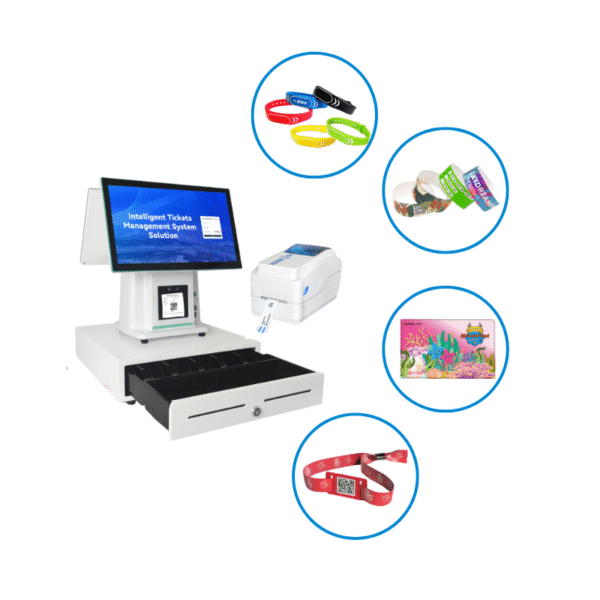
In large-scale venues where thousands of guests move through entrances, attractions, and service points every hour, identity verification becomes more than a simple check-in step. It shapes the entire flow of operations. The silicone wristband for access control has emerged as a practical solution that bridges security, convenience, and guest experience in a single wearable format.
At ZAH Ticketing, this product is designed as part of a wider ecosystem that connects entry management, ticket validation, and real-time operational control. Instead of relying on fragmented systems, venues can unify access through a simple, durable wristband.
A Practical Alternative to Traditional Entry Methods
Paper tickets, QR codes, and plastic cards often struggle in high-traffic environments. They can be lost, damaged, or easily duplicated. More importantly, they slow down entry points during peak hours.
A silicone wristband changes that dynamic by becoming a permanent, wearable credential. Once issued, it stays with the guest throughout their visit or membership period.
Compared with traditional methods, it offers:
- Faster scanning at entry points
- Reduced manual verification workload
- Lower replacement and reissue costs
- Improved guest flow during peak seasons
This shift is especially valuable in environments where efficiency directly impacts revenue and visitor satisfaction.
Designed for Real Operational Demands
The strength of a silicone wristband for access control lies in its material and structure. Built from hypoallergenic liquid silicone, it supports long-term wear without discomfort, even in outdoor or water-intensive environments.
Core functional features include:
- Waterproof and heat-resistant material suitable for all weather conditions
- Secure snap closure designed to prevent accidental removal
- Adjustable fit for different age groups and user profiles
- Support for debossing, color filling, and custom branding
- Compatibility with RFID and barcode-based systems
Because of these features, it becomes more than an identification tool. It functions as a durable operational asset across different venue types.
Where It Creates the Most Value
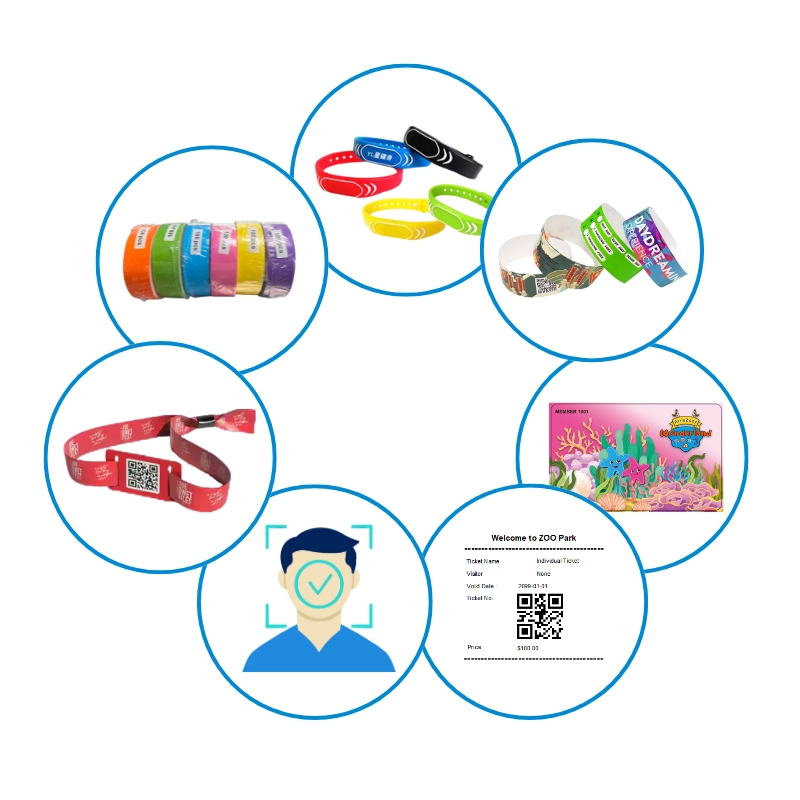
Different environments place different demands on access control systems. The wristband adapts easily across multiple scenarios without requiring infrastructure changes.
Common application environments:
- Theme parks and water parks with multi-entry zones
- Museums and cultural attractions with timed entry systems
- Resorts managing guest access across facilities
- Festivals and outdoor events with temporary installations
- Fitness centers using membership-based entry control
In each case, the wristband simplifies how guests move through spaces while maintaining consistent verification standards.
Key Considerations Before Choosing a Solution
Before selecting an access control wearable, operators usually evaluate more than appearance or cost. The real decision often depends on long-term operational impact.
Important comparison points include:
- Durability under repeated use or water exposure
- Integration capability with existing ticketing systems
- Speed of scanning at entry points
- Customization options for branding and identification
- Replacement frequency and lifecycle cost
While cards and QR codes may seem flexible at first, they often require ongoing management. Silicone wristbands reduce that dependency by staying functional throughout their entire lifecycle.
Why Integration Matters More Than Hardware Alone
A wristband alone is not the system. Its real value appears when it connects seamlessly with entry validation, payment systems, and visitor tracking.
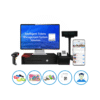
ZAH Ticketing integrates wristbands into a unified operational platform that includes ticketing, POS, locker systems, and access control. This allows venues to view real-time visitor data, manage entry density, and adjust operations dynamically.
The result is not just improved entry speed, but a more controlled and predictable guest experience.
FAQ
Can a silicone wristband be reused for multiple visits?
Yes. Depending on configuration, it can be designed for single-use or reusable membership access.
Does it support RFID or barcode systems?
Yes. It can be embedded with RFID chips or printed with scannable codes for system integration.
Is it suitable for water parks or outdoor venues?
Yes. The waterproof structure ensures stable performance in wet or humid environments.
Can the wristband be customized with branding?
Yes. Logos, colors, and identification patterns can be applied through multiple printing methods.
Conclusion
The silicone wristband for access control is not just a replacement for traditional entry tools. It is a shift toward more stable, efficient, and connected venue operations. By combining durability, integration capability, and user-friendly design, it supports smoother guest movement while reducing operational complexity. With ZAH Ticketing, venues gain a scalable solution that adapts to both small attractions and large international destinations, ensuring long-term reliability in access management.

Add comment