
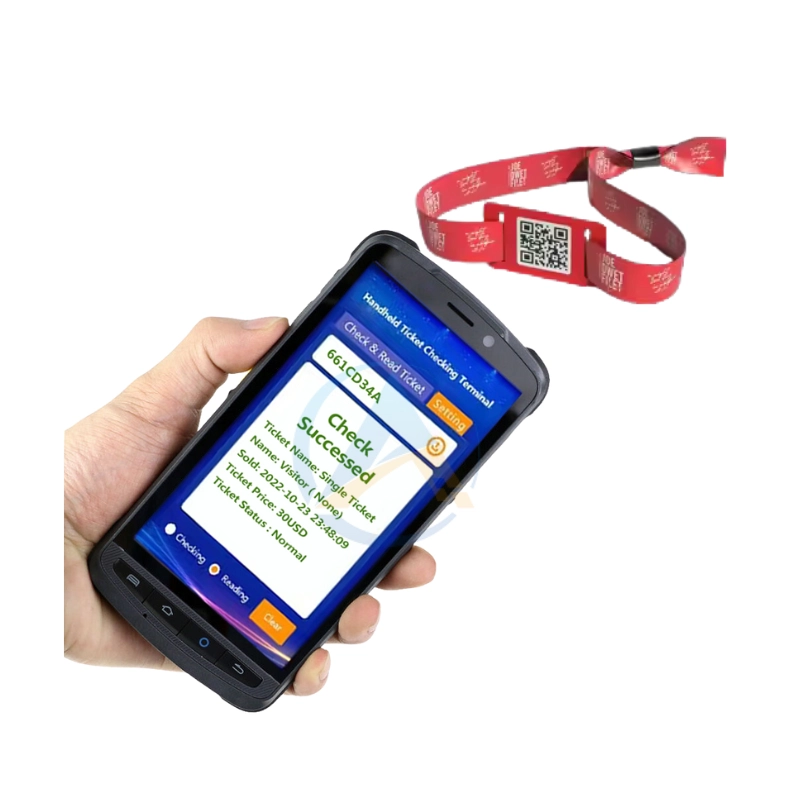
In peak season, a POS system for attractions is no longer just about checkout speed. It directly determines whether guests stay happy or leave frustrated.
Think about this: a guest just finished a 90-second roller coaster. But instead of enjoying the moment, they stand in a 15-minute queue just to buy a drink. That gap between experience and transaction is where revenue leaks happen.
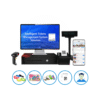
ZAH Attractions Unified Ecosystem is designed to remove exactly that friction. It connects ticketing, retail sales, and inventory into one continuous flow, so guests move, buy, and exit without interruption.
A POS System for Attractions That Thinks Like a Theme Park
Traditional POS tools were built for retail stores. Attractions are different: they are high-density, emotional, and time-sensitive environments.
ZAH replaces fragmented tools with a unified operational layer that connects every sales point across your venue.
What you actually get:
- One live system across all retail and F&B outlets
- Instant inventory updates after every transaction
- Unified guest flow from entry to purchase
- Cross-location reporting for real-time decisions
Instead of managing systems, you manage experiences.
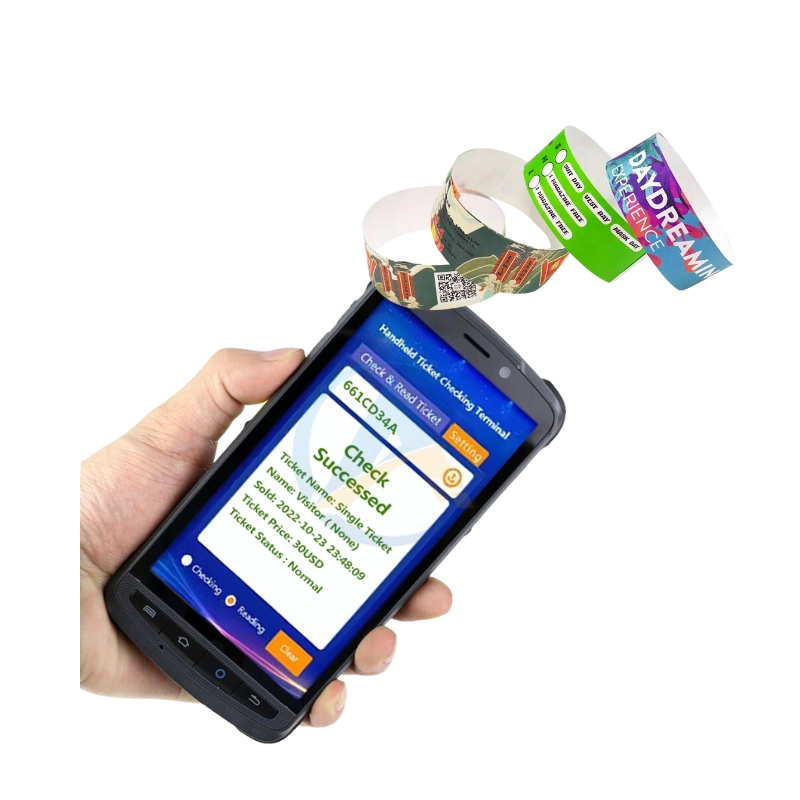
Eliminating Queue Bottlenecks in Real Time
Queues are not just operational delays. They are emotional pressure points.
When guests wait too long at food stalls or souvenir shops, satisfaction drops faster than any marketing campaign can fix it.
ZAH POS system for attractions uses high-speed barcode scanning and synchronized data flow to eliminate these bottlenecks.
Key performance functions:
- Omnidirectional scanning in under 0.3 seconds
- Multi-channel checkout across kiosks and counters
- Instant inventory deduction per transaction
- Stable operation during peak-hour surge traffic
The result is simple: fewer lines, faster turnover, higher spending per guest.
POS System for Attractions vs Fragmented Tools
| Dimension | Fragmented Systems | ZAH Unified Ecosystem |
| Checkout Flow | Separate POS per outlet | Unified transaction layer |
| Inventory Visibility | Delayed updates | Real-time sync |
| Guest Experience | Interrupted journey | Continuous flow |
| Peak Season Handling | System congestion risk | High-load optimized |
| Data Insights | Isolated reports | Cross-venue analytics |
Most parks don’t have a sales problem. They have a system fragmentation problem.
Deployment in 6 Practical Steps
ZAH is designed for operational teams, not engineers.
Implementation flow:
- Map all guest-facing sales points
- Deploy scanning and POS terminals
- Connect ticketing + retail + F&B systems
- Activate real-time inventory sync
- Train frontline staff in multilingual interface
- Monitor live traffic + optimize bottlenecks
Within days, operators can see where revenue leakage actually happens.
Built for Real-World Attraction Pressure
Unlike retail environments, attractions operate under extreme conditions:
- Sudden visitor spikes
- Seasonal peaks
- Multi-language staff rotation
- High transaction density per minute
ZAH Attractions Unified Ecosystem is deployed across 1,000+ global attraction projects, including Asia, Middle East, and Europe, where system stability under load is non-negotiable.
The architecture is designed for one thing: keeping revenue flowing when crowds peak.
FAQ
1. Is this POS system only for retail shops inside parks?
No. It connects ticketing, retail, food & beverage, and kiosks into one unified system.
2. Can it handle peak season traffic?
Yes. The system is optimized for high-concurrency environments with real-time synchronization.
Conclusion
A modern POS system for attractions is not a checkout tool. It is the control layer of your entire guest journey.
ZAH Attractions Unified Ecosystem turns fragmented retail operations into a continuous revenue flow, reducing queues, improving guest satisfaction, and increasing per-capita spending.
When guests stop waiting, they start spending.
CTA
Ready to eliminate queue bottlenecks this peak season?
Contact ZAH for a free Venue Infrastructure Assessment and receive a custom ROI breakdown showing where your current system is losing revenue—and how to recover it before your next peak season.



Add comment