
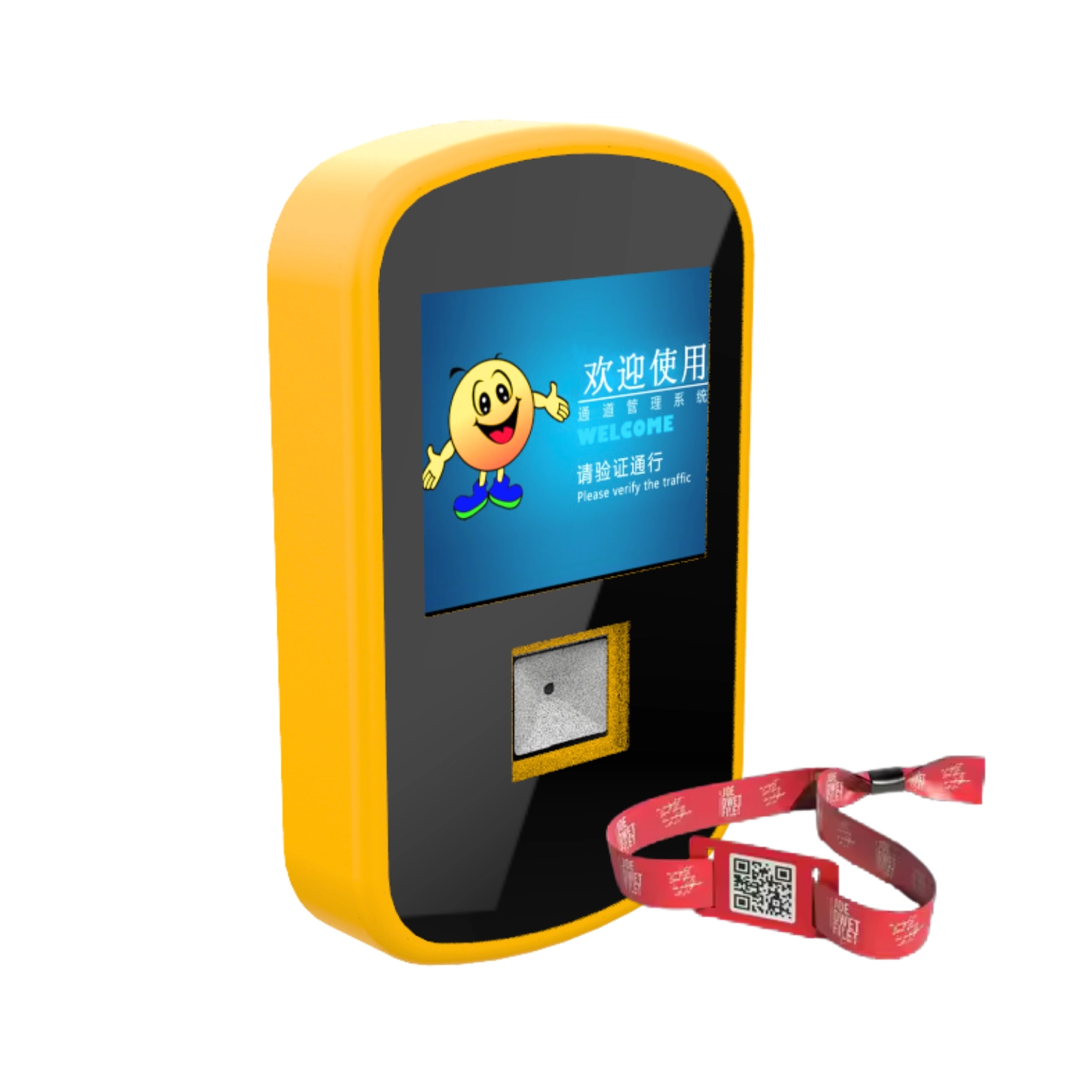
RFID reader for ticketing has become a core component in modern venue operations where speed, accuracy, and uninterrupted visitor flow define the overall experience. As attractions, parks, and event spaces expand in scale, the need for a stable and intelligent entry system is no longer optional—it is essential for daily operations.
At the center of this transformation, ZAH Ticketing delivers integrated solutions designed to connect hardware and software into a single operational flow, reducing friction at every entry point.
Why Ticketing Infrastructure Needs Smarter Reading Technology
Traditional scanning methods often rely on isolated systems that struggle under high visitor volume. Paper-based validation or standalone QR scanning can slow down access points and create inconsistent experiences during peak hours.
A dedicated RFID-based approach introduces a more stable structure, allowing instant identification without requiring line-of-sight scanning. This creates a smoother transition between arrival and entry, especially in environments where timing directly affects guest satisfaction.
Operators often look for improvements in:
- Entry speed during high-traffic periods
- Reduction in manual validation steps
- Lower error rates in ticket recognition
- Consistent performance across multiple gates
How RFID Reader for Ticketing Improves Operational Flow
An RFID reader designed for ticketing environments works by detecting encoded information stored in wearable or card-based credentials. Unlike visual scanning, it processes data instantly through radio frequency signals, which reduces dependency on physical positioning.
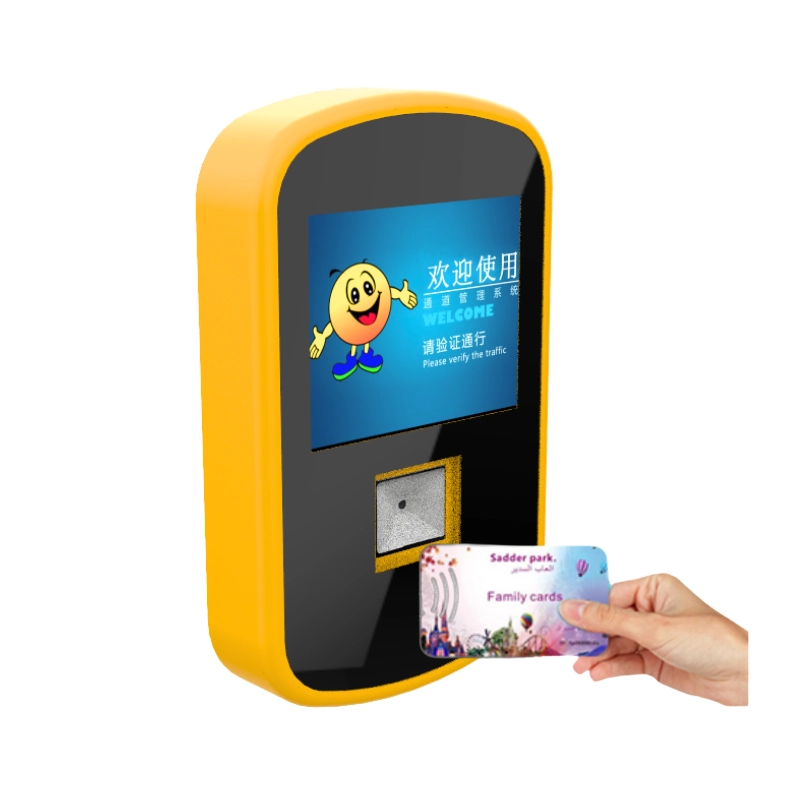
Core advantages include:
- Instant recognition of valid credentials within range
- Stable performance in outdoor and indoor environments
- Compatibility with multi-zone access systems
- Reduced congestion at entry gates
- Seamless integration with centralized ticketing platforms
This type of system is especially effective in venues where thousands of visitors pass through entry points within short time windows.
Practical Deployment in Real-World Venues
A modern RFID reader for ticketing is not limited to a single application. It adapts across different environments where access control must remain consistent but flexible.
Common use scenarios:
- Theme parks managing timed entry and multi-zone access
- Museums requiring controlled visitor flow per exhibition area
- Water parks where waterproof validation is essential
- Stadiums handling peak crowd entry in short intervals
- Exhibition centers managing rotating visitor schedules
Each environment places different demands on speed, durability, and system synchronization, making adaptability a key requirement.
Key Factors Buyers Evaluate Before Choosing a System
Before selecting an RFID-based ticketing reader, operators typically compare more than just technical specifications. The focus often shifts toward long-term performance and system compatibility.
Important considerations include:
- Integration capability with existing ticketing infrastructure
- Reading stability under high-density usage
- Hardware durability in outdoor or humid conditions
- Upgrade flexibility for future system expansion
- Maintenance requirements over long operational cycles
In many cases, traditional scanning systems are replaced not because they fail completely, but because they cannot scale efficiently with growing visitor demand.
Why System Integration Matters More Than Hardware Alone
A standalone reader can process data, but its real value emerges when it becomes part of a connected ecosystem. When integrated into a unified ticketing structure, the reader contributes to real-time monitoring, visitor analytics, and dynamic access control.
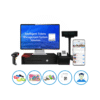
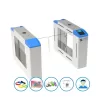
Within ZAH Ticketing’s ecosystem, RFID readers operate alongside kiosks, POS systems, and access control modules, creating a synchronized flow from ticket purchase to entry validation. This reduces operational fragmentation and improves overall system visibility.
Conclusion
The RFID reader for ticketing plays a critical role in modern access control environments where efficiency and reliability define success. By replacing fragmented scanning methods with a unified reading system, venues can achieve faster entry, improved accuracy, and a smoother visitor journey. With scalable integration and stable performance, it becomes a foundational element of next-generation ticketing infrastructure.


Add comment